Computer Vision Solutions for Real-World Operations
How to use computer vision in production environments for quality control, safety checks, and workflow automation.
Computer vision solutions deliver the most value when they are tied directly to operational decisions, not only visual dashboards.
High-impact use cases
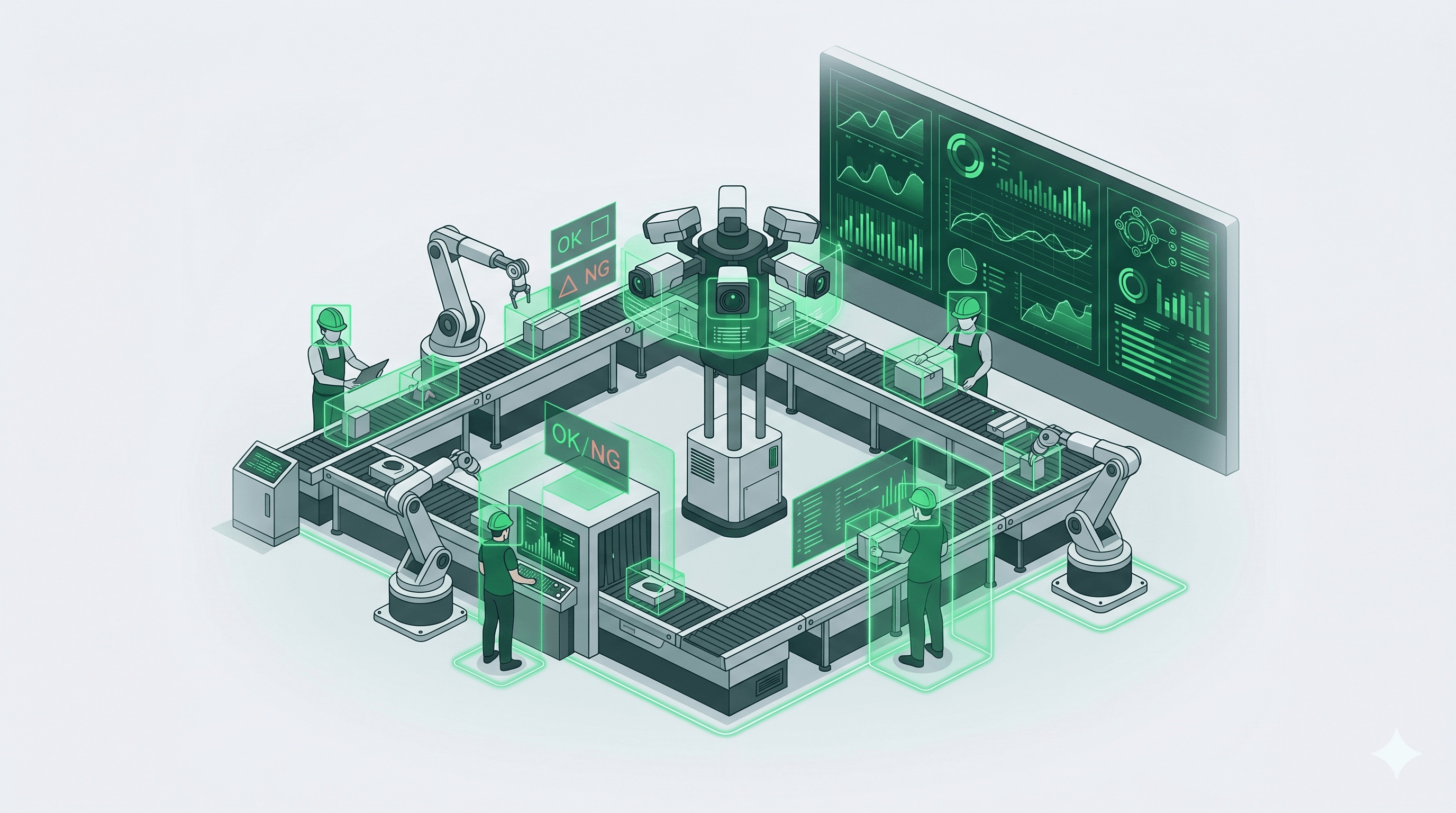
Across industries, teams deploy vision models to:
- Detect product defects on production lines.
- Verify packaging and labeling compliance.
- Monitor safety gear usage.
- Count inventory movement in real time.
Each use case should map to a measurable business metric such as error reduction or throughput improvement.
Data is the real project
A strong vision model depends on:
- Representative camera angles and lighting.
- Accurate annotation guidelines.
- Balanced examples of normal and edge cases.
- Frequent dataset refresh cycles.
Model architecture matters, but data quality usually determines final performance.
Design for imperfect environments
Production environments include glare, dust, vibration, and network instability. Your deployment plan should include:
- Edge inference for low latency.
- Health checks for camera availability.
- Automatic fallback if confidence is low.
- Alert routing to supervisors.
Robust systems account for uncertainty instead of hiding it.
Human-in-the-loop review
Computer vision should assist teams, not replace accountability. Add review queues for low-confidence detections and collect reviewer feedback to improve future model versions.
Measure operational impact
Track model metrics and business metrics together:
- Precision and recall.
- False rejection rate.
- Manual inspection hours saved.
- Cost per inspected unit.
When vision insights are embedded into SOPs, computer vision moves from pilot to dependable infrastructure.